
Reading progress
Follow the guide step by step
Use quick jumps to move between sections and keep your place while reading.
current section: —
Choosing between a church wedding and a garden wedding usually comes down to four things: how much religious tradition matters to you, your tolerance for weather risk, your budget, and how much control you want over the look and flow of the ceremony. Below is a practical, side-by-side breakdown of what each setting actually involves — costs, logistics, guest comfort, and photography — so you can decide with your eyes open instead of guessing.
The Core Difference: Sacred Space vs. Open-Air Setting
A church wedding takes place inside a house of worship, following that faith’s rites, often officiated by clergy who require premarital counseling, specific readings, or membership in the congregation. The architecture — stone, stained glass, high ceilings — does most of the visual work for you. A garden wedding is a secular or semi-secular ceremony held outdoors, in a private garden, botanical estate, backyard, vineyard, or park. You build the setting from scratch: aisle, altar structure, seating, and sound all need to be brought in or arranged by the venue. Neither is “more elegant” than the other by default — a church gives you built-in grandeur and tradition, while a garden gives you a blank canvas that reflects your personal style but requires far more planning to pull off well.
Cost Comparison: What You’ll Actually Pay
Church weddings are frequently the more budget-friendly option for the ceremony itself. Many churches charge a facility fee plus a donation to the officiant, and because the space is already decorated with architecture, stained glass, and existing altar pieces, floral and rental costs stay modest — often just an aisle runner, a few arrangements, and pew bows. Garden weddings can go either way. A simple backyard ceremony with folding chairs costs very little, but a polished garden wedding at a private estate typically requires renting an arch or arbor, chairs, a sound system, a tent as backup, and enough florals to make an unstructured space feel intentional — these add up fast. If you’re mapping out where your money is going across both the ceremony and reception, it helps to walk through a full average wedding cost breakdown before locking in either venue, since the ceremony choice often shifts your reception budget too.
Weather and Logistics: The Biggest Risk Factor
This is the single biggest practical difference. A church ceremony happens rain or shine — climate control, fixed seating, and reliable acoustics are baked in. A garden ceremony is at the mercy of the forecast. Even in a typically dry season, smart couples budget for a tent, have a rain-date conversation with the venue, and confirm exactly what the backup plan looks like if it’s raining, too hot, too windy, or if pollen and bugs become an issue. Ask garden venues directly: Is there an indoor or covered backup space included in the rental, or is that an extra rental fee? How much notice do you need to give to activate it? Also confirm ground conditions — heels sink into grass, and older guests or wheelchair users may need a paved or matted path down the aisle.
Guest Experience and Comfort
Churches offer built-in seating, shade, restrooms, parking, and climate control — guests simply show up and sit. Garden ceremonies require you to think through every comfort detail yourself: shade or umbrellas for a midday sun, water stations in summer heat, blankets or heaters for a cooler evening ceremony, and accessible seating for guests with mobility issues. Ceremony seating in a garden is also usually unassigned, first-come style, which works fine for smaller guest lists but can create confusion or crowding for larger ones. If you’re debating how formal to make guest seating at either the ceremony or the reception that follows, our guide on assigned seating vs open seating breaks down when each approach actually makes sense.
Photography and Aesthetics
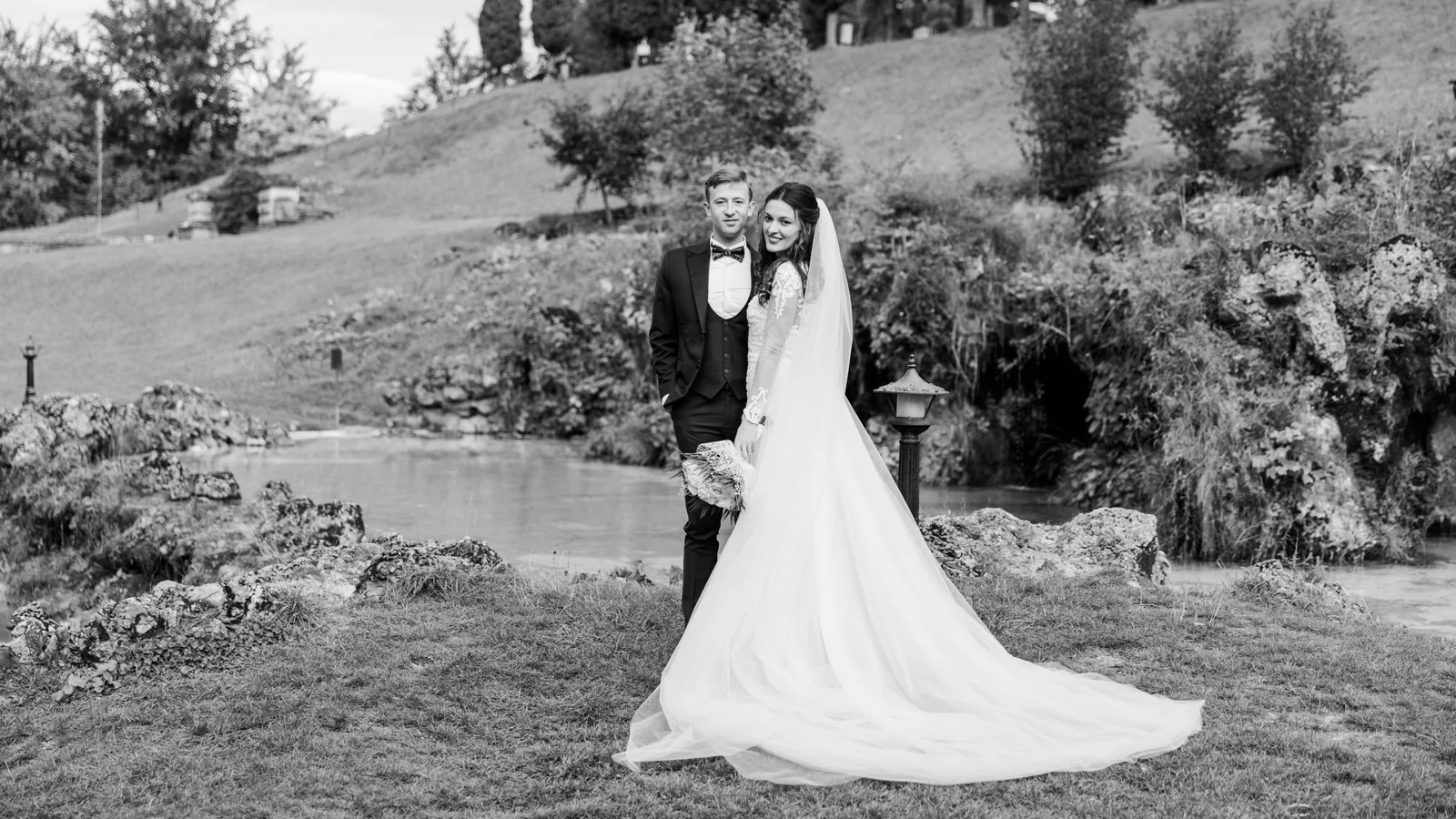
Churches deliver dramatic, symmetrical, timeless photos — stained glass light, long aisles, high ceilings — but many houses of worship restrict photographers to certain zones, prohibit flash, or limit shooting time strictly to the ceremony window. Confirm these rules with your officiant early, since they directly affect your photographer’s shot list. Garden weddings offer natural light, movement, and color that’s hard to replicate indoors — golden hour ceremonies in particular photograph beautifully — but you’re also exposed to harsh midday sun, wind messing with veils and hair, or overcast skies that flatten your photos. A good photographer will ask about ceremony start time specifically because of this; a 4 p.m. garden ceremony in summer photographs very differently than a noon one.
Religious and Family Considerations
If either partner’s family holds strong religious or cultural expectations around marriage, a church ceremony often resolves this cleanly — it satisfies tradition, may be required for the marriage to be recognized within that faith community, and gives older relatives a familiar, formal experience. Garden weddings offer freedom: you can write your own vows, invite a friend or family member to officiant, incorporate multiple cultural traditions in one ceremony, or skip religious language entirely. Some couples do both — a short, traditional church ceremony for family, followed by a garden reception — which lets you honor tradition without sacrificing the outdoor aesthetic for the celebration everyone actually lingers at.
Timeline and Reception Flow
Because churches are rarely on-site with your reception venue, factor in real travel time between the ceremony and the party — 20 to 45 minutes is common, plus photos in between, which stretches your day and your guests’ patience if not planned tightly. Garden weddings held on the same property as the reception solve this instantly: ceremony, cocktail hour, and dinner can flow back-to-back with a simple change of scenery, often just guests moving from the aisle to a nearby lawn or terrace while chairs are flipped. Once you land on a reception layout, deciding between banquet vs round wedding tables becomes the next big logistical question, since garden receptions in particular often favor long banquet-style tables that suit an outdoor, family-style feel. Whichever layout you choose, mapping who sits where in advance saves real stress on the day — Wedding Seat’s seating chart tool lets you build and share that layout with your planner or venue in minutes.
Which One Fits Your Vision? Decision Checklist
Ask yourselves these questions honestly. Do you or your families need the ceremony to be religiously valid or held in a house of worship? That points to a church. Are you comfortable spending more on rentals and decor to build a look from scratch, and okay with a weather contingency plan? That points to a garden. Is your guest list large (150+) and formal? Churches handle big, seated crowds more predictably. Do you want ceremony and reception in one location to keep the day simple? A garden venue, especially an estate or vineyard with both spaces on-site, usually wins. Is budget tight? A simple church ceremony is often the lower-cost route. There’s no wrong answer — the right one is whichever setting matches your guest count, budget ceiling, and how much weather risk you’re genuinely willing to accept.
FAQ
Can I have a religious ceremony outdoors instead of inside a church?
How much earlier should I book a garden venue versus a church?
What’s the backup plan if it rains on a garden wedding day?
Do church weddings cost less than garden weddings overall?
Is it common to have a church ceremony and a separate reception venue?
What should I ask a garden venue before booking?
Ready to plan the details? Build your ceremony and reception seating layout free in Wedding Seat and share it instantly with your planner, family, and venue. Wedding Seat’s seating chart tool
Continue planning
Move into the next planning topic
Jump across connected topics to build a stronger planning path.