
Reading progress
Follow the guide step by step
Use quick jumps to move between sections and keep your place while reading.
current section: —
A Jewish wedding ceremony follows a specific, meaningful sequence rooted in centuries of tradition, though the exact order can shift slightly depending on whether the couple is Orthodox, Conservative, or Reform. This guide walks through every stage — from the pre-ceremony rituals to the final ‘mazel tov’ — so you know exactly what happens, when, and why.
Before the Chuppah: Kabbalat Panim, the Tisch, and Bedeken
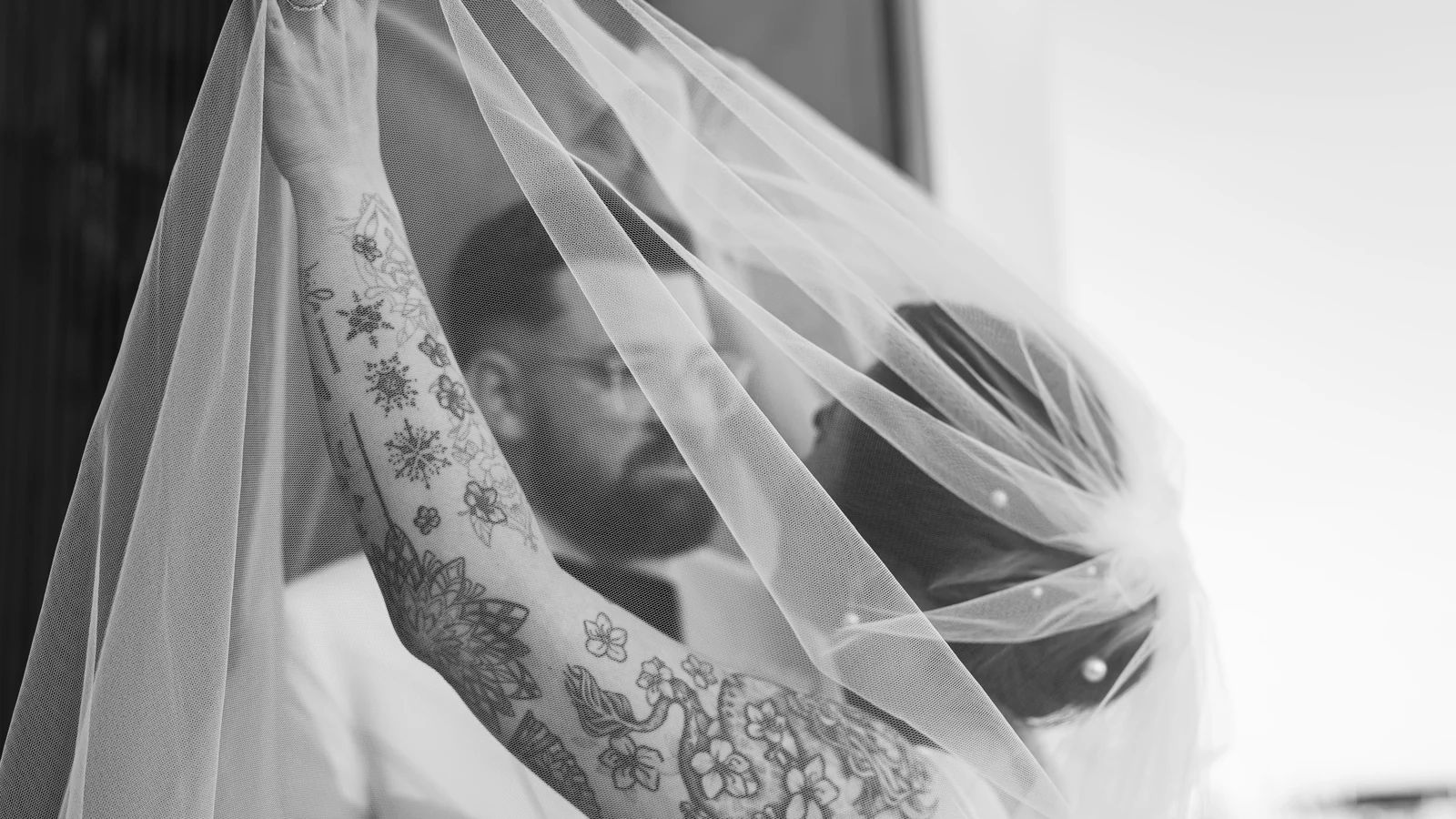
Most Jewish weddings begin well before the couple ever stands under the chuppah. During Kabbalat Panim (‘receiving faces’), the bride and groom traditionally greet guests separately in different rooms, each treated like royalty for the day. Meanwhile, the groom often holds a Tisch (‘table’) with male family and friends, where he attempts to give a short teaching on the week's Torah portion — a moment that's traditionally interrupted with good-natured singing and toasting. This is also when the ketubah (marriage contract) is signed and witnessed, typically by two people who aren't blood relatives of the couple. Immediately after, the groom leads a procession to the bride for the Bedeken, the veiling ceremony, where he looks at her before covering her face with the veil — a custom recalling the biblical story of Jacob being tricked into marrying the wrong sister, and a reminder that he's marrying the whole person, not just her outward beauty.
The Processional: Who Walks and in What Order
Once Bedeken concludes, the formal processional to the chuppah begins. The traditional order is: officiating rabbi or cantor, grandparents of the groom, grandparents of the bride, groomsmen (often walking in pairs), the groom escorted by both of his parents, bridesmaids, the ring bearer and flower girl, and finally the bride escorted by both of her parents. Having both parents walk each partner down the aisle is a distinctly Jewish custom, symbolizing that marriage is a union of two families, not just two individuals. In Reform and many Conservative ceremonies, the order is frequently adjusted for gender-neutral couples or blended families, and it's increasingly common for couples to walk down together.
Under the Chuppah: The Core Ceremony Sequence
The chuppah — a canopy held up by four poles, open on all sides — represents the new home the couple is building together, one meant to always have room for guests. Once both partners arrive under it, the ceremony generally follows this sequence: Hakafot, the circling, where the bride circles the groom seven times (representing the seven days of creation) or, in egalitarian ceremonies, both partners circle each other three times each plus one together; Birkat Erusin, the betrothal blessing recited over a cup of wine; the ring exchange, where in Orthodox ceremonies the groom places a plain, unbroken band on the bride's right index finger while reciting a declaration in Hebrew (‘Harei at mekudeshet li…’), while Conservative and Reform ceremonies typically include a double-ring exchange with both partners speaking vows; the reading of the ketubah aloud, often in the original Aramaic; and finally the Sheva Brachot, the Seven Blessings, recited over a second cup of wine — usually shared among several honored family members or friends rather than said by one person alone. The ceremony closes with the breaking of the glass, followed immediately by cheers of ‘Mazel tov!’ from the guests.
Why the Glass Is Broken (and What Happens Right After)
The groom (or, in egalitarian ceremonies, both partners) stomps on a glass wrapped in a cloth napkin at the very end of the ceremony. The most common explanation ties it to the destruction of the Second Temple in Jerusalem — even at the height of personal joy, the couple pauses to remember collective loss and the fragility of happiness. Some couples keep the broken shards afterward, having them turned into a small keepsake like a mezuzah or shadow box. Right after the glass breaks and the crowd erupts, the couple is led to a private room for Yichud, a brief seclusion (typically 8–15 minutes) that is the couple's very first moments alone as spouses — often the only quiet minute they'll get all day, and traditionally when they break their wedding-day fast together with a small meal.
Moving Into the Reception: Order of Events and Seating
Once Yichud ends, the couple is typically introduced into the reception to the Hora, danced to ‘Hava Nagila,’ where guests lift the couple (and often their parents) on chairs. From there, the reception generally follows the same rhythm as most weddings — candle-lighting or blessings over the meal, dinner, toasts, and open dancing — but seating logistics deserve early attention, since Jewish weddings often mix large extended families, out-of-town relatives, and multi-generational guests who don't all know each other. Deciding between assigned seating vs open seating matters more here than at many weddings, since separating grandparents from young cousins or clustering Hebrew-speaking relatives together can smooth the whole evening. Many hosts also weigh banquet vs round wedding tables specifically because round tables encourage the kind of mixed conversation that suits a hora-heavy, high-energy reception. Whichever layout you choose, building the actual chart is far easier with a dedicated wedding seating chart tool that lets you drag guests between tables and track RSVPs in one place, rather than juggling spreadsheets the week of the wedding.
How the Order Shifts Across Orthodox, Conservative, and Reform Ceremonies
Orthodox ceremonies tend to preserve the traditional gendered structure closely: separate greeting periods, a single ring given without one received back, and the bride's seven circles alone. Conservative ceremonies commonly keep most traditional elements but add a double-ring exchange and often let the bride circle only three times, or split the circling evenly between partners. Reform and many interfaith or same-sex ceremonies adapt further still — couples frequently write personalized vows alongside or instead of the traditional Aramaic declaration, walk down the aisle together, and choose which blessings and readers to include from the Sheva Brachot rather than following a fixed script. None of these variations are ‘less Jewish’ — rabbis and officiants regularly help couples build a ceremony order that honors tradition while reflecting who they actually are.
FAQ
How long does a Jewish wedding ceremony typically last?
Do both partners exchange rings?
What is Yichud and is it required?
Can non-Jewish guests or family members participate in the ceremony?
Why do guests shout ‘Mazel tov’ after the glass breaks?
Ready to plan the reception that follows the chuppah? Build your full seating chart free in Wedding Seat and organize every table, family cluster, and RSVP in one place. dedicated wedding seating chart tool
Continue planning
Move into the next planning topic
Jump across connected topics to build a stronger planning path.